
How reliable is your memory?

Updated: Jan 24, 2024
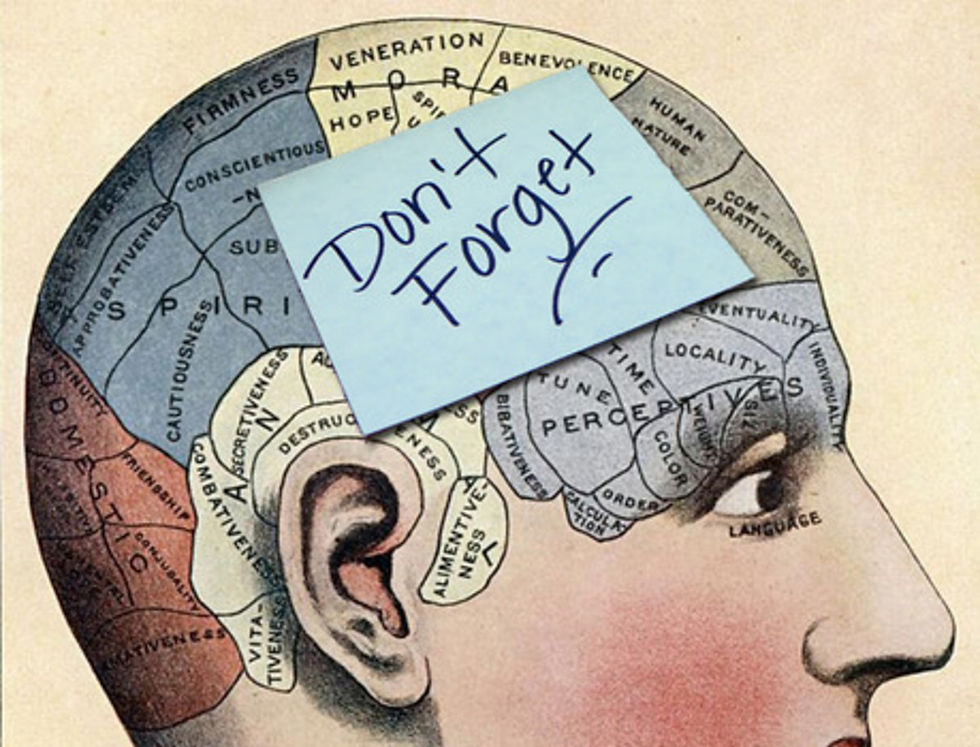
The human mind is a marvel, capable of storing an intricate tapestry of memories that shape our identities and perceptions of the world. Yet, within this labyrinth of recollections lies a curious phenomenon - the existence of false memories. Memory, the repository of our experiences, is often perceived as an immutable record of our past. However, the human brain's ability to construct memories is intricate and susceptible to the formation of false recollections.
What are false memories? How do they occur?
False memories represent a fascinating aspect of cognitive processes, where the mind can confabulate events that never occurred or distort existing memories. Understanding the genesis and implications of false memories offers profound insights into the complexities of human cognition.
The formation of memories is not akin to capturing a video camera of reality; rather, it involves an intricate interplay of perception, interpretation, and storage. One prominent phenomenon contributing to false memories is the constructive nature of the brain. When recalling an event, the brain draws upon fragments of information stored across multiple neural networks, often weaving these fragments together to create a cohesive narrative. However, this process is not foolproof, as gaps or inconsistencies can be filled in with imagined or externally suggested details, resulting in the formation of false memories.
Psychological research on false memories
Psychological research has extensively studied the susceptibility of memory to suggestion, revealing the startling ease with which false memories can be implanted. Techniques like misinformation, leading questions, or suggestive contexts can significantly distort recollections, as demonstrated by pioneering studies such as the Loftus and Palmer experiment on eyewitness testimony. These findings underline the frailty of memory and its vulnerability to external influences, raising significant concerns about the reliability of eyewitness accounts in legal settings. Loftus’ findings seem to indicate that memory for an event that has been witnessed is highly flexible. If someone is exposed to new information during the interval between witnessing the event and recalling it, this new information may have marked effects on what they recall. The original memory can be modified, changed or supplemented.
Hindrance or Asset?
However, false memories are not solely a hindrance but also offer valuable insights into the workings of the human mind. They highlight the brain's adaptive nature, its ability to fill gaps in information, and the integration of new experiences into existing cognitive frameworks. Moreover, understanding the mechanisms behind false memories provides opportunities for refining memory processes, improving forensic techniques, and developing more effective therapeutic approaches.
Conclusion
In conclusion, false memories represent a compelling aspect of human cognition, shedding light on the intricate and often fallible nature of memory. The brain's constructive processes, susceptibility to suggestion, and the prevalence of false memories in daily life underscore the complexities inherent in memory formation. Acknowledging the existence of false memories prompts a re-evaluation of our assumptions about the reliability of memory, emphasizing the need for caution in relying solely on recollections and highlighting the ongoing exploration required to unravel the mysteries of human cognition.



Comments